
Can You Lose Belly Fat by Eating Chia Seeds Every Day? The Truth After 30 Days
There is a reason chia seeds seem to appear everywhere when people talk about weight loss. Add them to water, sprinkle them over breakfast, leave them overnight in yogurt—and suddenly your social media feed is full of promises about a flatter stomach.
But here's the question that actually matters:
Can chia seeds really reduce belly fat if you eat them every day for 30 days?
The honest answer is more interesting than a simple yes or no.
Chia seeds are genuinely nutritious. Two tablespoons, or about 28 grams, provide roughly 140 calories, 4 grams of protein, 11 grams of fiber and 7 grams of unsaturated fat, along with minerals such as calcium, phosphorus and zinc. Their high fiber content can help with fullness and digestive health, which may make them useful as part of a weight-management diet.
But chia seeds are not a belly-fat-burning food. No single food can tell your body to burn fat specifically from your stomach.
So what could actually happen after 30 days? Let's separate the Instagram claims from what nutrition science can reasonably support.
First, What exactly is Belly Fat?
"Belly fat" isn't just one type of fat.
Some fat sits underneath the skin, while visceral fat is stored deeper inside the abdominal cavity around internal organs. Excess visceral fat is associated with increased health risks, including cardiovascular disease and type 2 diabetes.
This distinction matters because you cannot choose where your body loses fat simply by eating a particular food.
Doing hundreds of crunches won't specifically melt abdominal fat, and neither will drinking chia water every morning. Harvard Health notes that reducing overall body weight through balanced eating and physical activity can help reduce dangerous visceral fat.
That doesn't make chia seeds useless.
It simply means their role is supportive rather than magical.
Why Are Chia Seeds Associated With Weight Loss?
The biggest reason chia seeds are popular in weight-management diets is fiber.
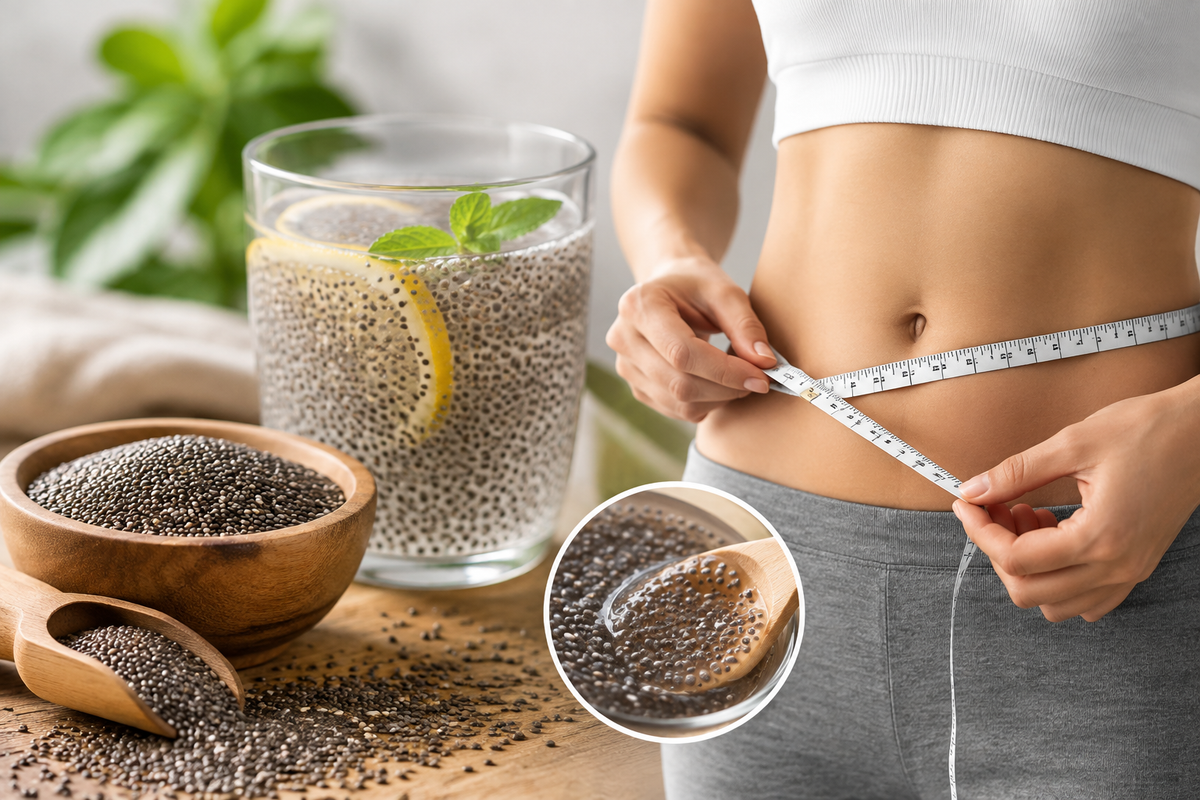
When chia seeds come into contact with liquid, they form a gel-like substance. This can contribute to a feeling of fullness, potentially making it easier to control appetite and overall food intake. Harvard Health specifically notes that chia's fiber and gel-forming properties may support feelings of fullness and appetite control.
And fiber has another important role: it supports digestive health and helps regulate how the body handles carbohydrates.
So imagine replacing a low-fiber breakfast with a meal containing oats, yogurt, fruit and chia seeds. You aren't "burning belly fat" because of the chia. Instead, you're creating a meal that may be more satisfying and nutritionally balanced.
That distinction is the key to understanding chia seeds and weight loss.
What Could Happen During 30 Days of Eating Chia Seeds?
Days 1–7: Your Digestive System May Notice the Difference
If your usual diet is low in fiber, introducing chia seeds suddenly may make your digestive system work differently.
Some people may experience improved bowel regularity, while others may initially experience bloating, gas or digestive discomfort. This is why suddenly consuming large quantities isn't a great idea.
Start with a smaller amount and increase gradually as your body adapts. Adequate fluid intake is also important when increasing dietary fiber.
And don't forget: chia seeds are not a replacement for vegetables, fruits, whole grains and legumes. They should be one part of a fiber-rich diet.
Days 8–14: You May Feel Fuller Between Meals
By the second week, you may notice that a chia-containing breakfast or snack keeps you satisfied for longer.
This is where chia can become genuinely useful.
For example, compare these two breakfasts:
Option A: Sugary cereal + sweetened beverage
Option B: Greek yogurt + chia seeds + berries + a few nuts
The second meal contains a combination of protein, fiber, healthy fats and whole-food ingredients. Chia isn't doing all the work—but it contributes to the overall nutritional profile.
This can make it easier to avoid unnecessary snacking later in the morning.
Days 15–21: The Bigger Picture Starts to Matter
By the third week, the question shouldn't be "How much belly fat has chia burned?"
Instead, ask:
Has eating chia helped me make better food choices?
Maybe you've started having a fiber-rich breakfast instead of skipping breakfast. Maybe you've replaced sugary snacks with yogurt and fruit. Maybe you've started drinking more water. Perhaps you're also walking regularly.
Those changes matter far more than the chia seed itself.
A 2009 randomized controlled trial found that chia seed supplementation did not produce significant weight loss in overweight adults, highlighting why claims that chia alone causes weight loss should be treated cautiously.
In other words, chia can be part of a weight-management strategy—but it isn't the strategy.
Days 22–30: Could Your Waistline Change?
Possibly, but don't attribute every change to chia.
If you've spent the last month eating in a modest calorie deficit, exercising regularly, sleeping adequately and choosing more nutritious foods, you may lose body fat. Some of that reduction could eventually include abdominal fat.
But if you've simply added two tablespoons of chia seeds to your normal diet without changing anything else, don't expect a dramatic transformation.
In fact, two tablespoons contain around 140 calories, so adding them on top of an already calorie-dense diet isn't automatically helpful for weight loss.
The smarter strategy is to use chia as a replacement or ingredient in a balanced meal, not as an extra "fat-burning" supplement.
So, Can Chia Seeds Reduce Belly Fat?
The short answer: Not directly.
Chia seeds cannot selectively target belly fat.
However, they can support a weight-conscious eating pattern because they provide substantial fiber, along with protein and unsaturated fats.
Think of chia as a supporting player, not the star of the show.
If your overall eating pattern helps you maintain a healthy calorie balance, chia can make certain meals more satisfying. Over time, overall fat loss may reduce your waist circumference as well.
That's a much more scientifically realistic claim than saying "chia seeds melt belly fat."
How to Consume Chia Seeds for Weight Management
There's no compulsory "magic recipe."
You can add chia seeds to overnight oats, yogurt, smoothies, homemade puddings or breakfast bowls. Harvard also recommends incorporating them into foods such as smoothies, yogurt and oatmeal.
One simple Nutslane-style breakfast could be:
Plain yogurt + 1 tablespoon chia seeds + berries/banana + a small portion of almonds.
Another option is overnight oats with milk or yogurt, chia seeds and fruit.
If you prefer chia water, allow the seeds to absorb sufficient liquid before consuming them rather than swallowing large amounts of dry seeds. People who have difficulty swallowing should be particularly cautious because chia can expand after absorbing liquid.
How Much Chia Seeds Should You Eat Every Day?
There's no single amount that works for everyone.
Two tablespoons (about 28 grams) is a commonly referenced serving and provides around 11 grams of fiber.
But if you're new to high-fiber foods, starting with about one tablespoon may be more comfortable before gradually increasing your intake.
And remember that your total fiber intake matters more than obsessing over one ingredient.
Chia + vegetables + fruit + legumes + whole grains is a much stronger strategy than simply eating more chia.
What About Chia Seeds and Belly Fat Before-and-After Photos?
Be careful with dramatic "30-day transformation" photos online.
Changes in abdominal appearance can come from several factors, including overall fat loss, water retention, bloating, posture and even lighting. A flatter stomach after consuming chia isn't necessarily evidence that chia has burned abdominal fat.
If you're tracking progress, consider measuring waist circumference consistently, rather than relying only on daily scale fluctuations. Harvard Health recommends measuring waist circumference at the level of the belly button under consistent conditions when monitoring abdominal fat.
The 30-Day Chia Challenge That Actually Makes Sense
Instead of making your goal:
"I will eat chia seeds for 30 days and lose belly fat."
Try:
"For the next 30 days, I'll use chia seeds as part of a higher-fiber, more balanced diet."
That means pairing chia with nutritious foods rather than turning it into a standalone miracle remedy.
For example:
Morning: Chia + oats + yogurt + fruit
Lunch: Vegetables + dal/beans + whole grains
Snack: Fruit + a measured portion of almonds
Dinner: Protein + vegetables + whole grains
Activity: Regular walking, strength training or another exercise you enjoy
Now chia has a meaningful role in the bigger picture.
Choose Quality Chia Seeds From Nutslane
When you're building a healthier routine, the simplest foods are often the easiest to stick with.
Nutslane's chia seeds can be incorporated into everyday breakfasts, smoothies, yogurt bowls and healthy snacks without turning your diet into a complicated meal plan.
Because the goal isn't to follow a trendy 30-day challenge and then return to old habits.
The goal is to build habits you can keep after day 30.
Explore Nutslane's chia seeds and make a simple, fiber-rich addition to your everyday routine.
Frequently Asked Questions
1. Can chia seeds reduce belly fat?
Chia seeds cannot specifically target belly fat. They can provide fiber and contribute to fullness, which may support a calorie-conscious diet and overall weight management.
2. How long does it take for chia seeds to work for weight loss?
There is no fixed timeline. Chia seeds themselves don't guarantee weight loss. Their potential benefit comes from how they fit into your overall eating pattern, particularly through fiber and satiety.
3. Can I drink chia seeds in water every morning?
Yes, chia seeds can be incorporated into water, but they should be adequately hydrated before consumption. You can also add them to yogurt, oats or smoothies.
4. How much chia seeds should I eat daily for weight loss?
A common serving is around two tablespoons (28 grams), but beginners may prefer starting with a smaller amount. Two tablespoons provide roughly 11 grams of fiber.
5. Do chia seeds burn fat?
No. Chia seeds don't directly burn body fat. They can be part of a balanced diet that supports healthy weight management.
6. Can chia seeds flatten the stomach?
They cannot specifically flatten the stomach. However, their fiber content may support digestion and fullness. A reduction in overall body fat may reduce waist circumference over time.
7. Should I eat chia seeds at night or in the morning?
There is no universally superior time. Choose the time that fits your routine and helps you maintain a balanced diet consistently.
8. Can chia seeds cause bloating?
Yes. Increasing fiber intake suddenly can cause bloating or digestive discomfort in some people. Starting with a smaller serving and increasing gradually may help.
9. Are chia seeds better than flaxseeds for weight loss?
Neither is universally "better." Both can provide fiber and plant-based omega-3 fats. Your overall diet and portion sizes matter more than choosing one seed.
10. Can I lose weight in 30 days by eating chia seeds?
You may lose weight over 30 days if your overall eating pattern and activity create an appropriate energy deficit, but chia seeds alone don't guarantee weight loss. Evidence does not support treating chia as a standalone weight-loss solution.
The Bottom Line
If you've been waiting for chia seeds to magically erase your belly fat, it's time to let that expectation go.
But if you're looking for a simple, nutritious ingredient that can increase fiber intake, contribute to fullness and fit into a healthier eating pattern, chia seeds are worth considering.
The real transformation after 30 days isn't necessarily the number on your measuring tape.
It could be that you've built a breakfast you actually enjoy. You've started eating more fiber. You're snacking less mindlessly. You're drinking more water. You're exercising consistently.
That's the kind of change that can last much longer than 30 days.
Nutslane, Make healthy choices a daily habit.
This article is intended for general educational purposes and should not replace individualized medical or dietary advice.