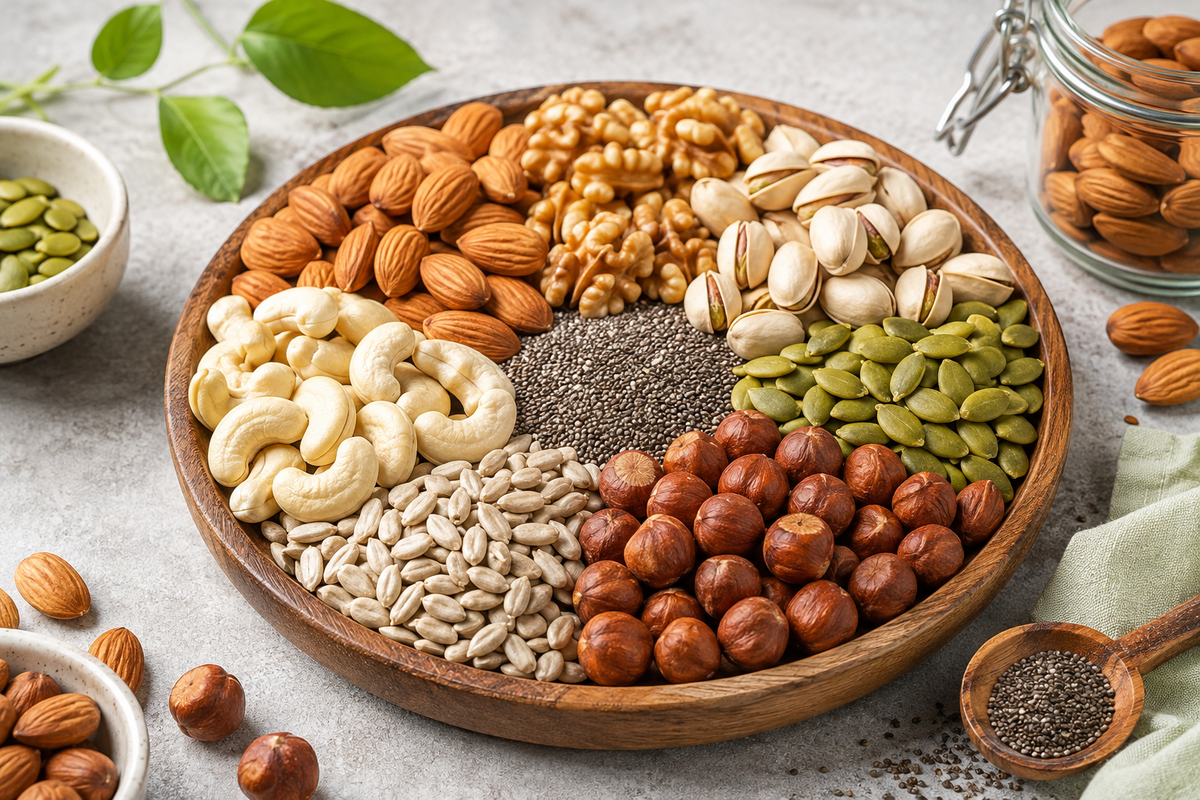


What Happens When You Eat Almonds Every Day for 30 Days?
What if one simple change to your daily diet could make your snacking routine better? Eating a small, measured serving of almonds every day for 30 days can be an easy way to add protein, fiber, healthy fats and important nutrients to your diet.
A serving of approximately 1 ounce, or about 23 almonds, provides around 165 calories, 6g of protein and 3g of fiber. Almonds also provide vitamin E, magnesium and other nutrients.
But almonds aren't a magic food. The biggest benefit may come when they replace highly processed snacks rather than simply being added to your existing diet.
Days 1–7: Your Snacking Habits May Start to Change
The first change may simply be your relationship with snacking. If you normally reach for biscuits, chips or sugary snacks, replacing them with a small serving of almonds gives you a combination of protein, fiber and healthy fats.
This can make almonds a more nutrient-dense alternative to many highly processed snacks.
Days 8–14: You May Feel More Satisfied Between Meals
By the second week, your almond habit may become part of your regular routine.
Because almonds contain protein, fiber and fat, a measured portion can make a satisfying snack. However, almonds are also calorie-dense, so eating several handfuls throughout the day can quickly increase your calorie intake.
Tip: Portion your almonds before eating instead of eating directly from the packet.
Days 15–21: Your Diet Gets a Nutritional Upgrade
Almonds provide vitamin E, magnesium, fiber, protein and predominantly unsaturated fats.
These nutrients can contribute to a balanced diet, but almonds shouldn't replace fruits, vegetables, whole grains or other protein sources.
Think of almonds as one useful part of a bigger nutritional picture.
Days 22–30: Could Almonds Help With Weight Management?
Almonds do not directly burn body fat.
However, nuts can fit into a weight-conscious eating pattern. Their combination of protein, fiber and healthy fats may help make snacks more satisfying.
The most important factor is what almonds replace. Swapping a packet of chips for a measured serving of almonds is a meaningful improvement. Eating both simply increases your overall intake.
What About Heart Health?
Almonds contain predominantly unsaturated fats, and research on nuts overall has associated regular nut consumption with favorable cardiovascular outcomes.
Some research has also found improvements in cholesterol levels when nuts are included as part of a healthy diet.
Can Eating Almonds Every Day Improve Your Skin?
Almonds are a good dietary source of vitamin E, an antioxidant nutrient that contributes to normal body functions.
However, eating almonds alone cannot guarantee clearer or glowing skin. Skin health is influenced by nutrition, hydration, sleep, sun exposure, genetics and skincare.
Raw vs Soaked Almonds: Which Is Better?
Soaking almonds can soften their texture and make them easier to eat, but soaking isn't required to enjoy their nutritional value.
Raw and dry-roasted almonds can both be part of a healthy diet. The more important factors are portion size and choosing varieties without excessive added sugar or salt.
How Many Almonds Should You Eat Every Day?
A commonly referenced serving is approximately 1 ounce, or about 23 almonds.
Your ideal portion depends on your overall diet, calorie needs, activity level and health goals.
If you're trying to manage your weight, measuring your portion is particularly useful because almonds are energy-dense.
7 Potential Benefits of Eating Almonds Daily
- Improve snack quality: Almonds can replace highly processed snacks.
- Add plant protein: A standard serving provides around 6g of protein.
- Increase fiber intake: One ounce provides around 3g of fiber.
- Get vitamin E: Almonds are a good dietary source of vitamin E.
- Add healthy fats: Most of the fat in almonds is monounsaturated.
- Support satisfying snacks: Protein, fiber and fat can contribute to fullness.
- Add variety: Almonds work well with oats, yogurt, salads and fruit.
The 30-Day Almond Challenge: A Smarter Approach
Want to try eating almonds every day? Keep it simple. Choose a consistent time, measure your portion and use almonds as a replacement for less nutritious snacks.
Add chopped almonds to oats, pair them with fruit, mix them into yogurt or simply enjoy them on their own.
The goal isn't to eat as many almonds as possible. It's to build a small, sustainable healthy habit.
Who Should Be Careful With Almonds?
People with a tree-nut allergy should avoid almonds and follow their healthcare professional's advice.
People with specific medical conditions or dietary restrictions may also need individualized guidance about portions and food choices.
Make Almonds Part of Your Everyday Snack Routine
A healthy habit becomes easier when quality food is convenient. Keep a measured portion of almonds available instead of automatically reaching for highly processed snacks.
Explore Nutslane's range of quality almonds and make your everyday snacking a little smarter.
Shop AlmondsFrequently Asked Questions
What happens if I eat almonds every day for 30 days?
Eating a moderate serving of almonds daily can add protein, fiber, vitamin E, healthy fats and minerals to your diet. The practical benefit may be greater when almonds replace less nutritious snacks.
How many almonds should I eat every day?
A commonly referenced serving is about 1 ounce, or approximately 23 almonds. Your ideal portion depends on your overall diet and nutritional needs.
Can eating almonds every day help with weight loss?
Almonds don't directly burn fat, but they can fit into a weight-management diet. Their protein, fiber and healthy fats may help make snacks more satisfying.
Are soaked almonds better than raw almonds?
Soaking changes the texture and can make almonds softer, but it isn't necessary to enjoy their nutritional benefits.
Can almonds improve skin?
Almonds provide vitamin E and other nutrients that contribute to a healthy diet. However, almonds alone cannot guarantee clearer or glowing skin.
Can I eat almonds at night?
Yes. Almonds can be eaten at night if they fit your overall dietary needs. They don't need to be eaten in the morning to provide nutritional benefits.
Do almonds increase weight?
Almonds are calorie-dense, so excessive portions can add significant calories. However, nuts can be part of a balanced diet when consumed in appropriate portions.
Are almonds good for heart health?
Almonds contain predominantly unsaturated fats, and research on nuts overall has associated regular consumption with favorable cardiovascular outcomes.
Can I eat almonds every day on a diet?
Yes. A measured serving of almonds can be included in many balanced diets. The key is to account for them as part of your overall food intake.
What is the best way to eat almonds?
You can eat almonds plain, soaked or dry-roasted, or add them to oats, yogurt, salads and other meals. Choose options without excessive added sugar or salt.
The Bottom Line
Thirty days of eating almonds won't magically transform your health. But 30 days of replacing poor snack choices with a measured serving of nutrient-dense almonds can be a habit worth keeping.
The real power isn't in one almond. It's in the consistency.
Nutslane — Make Every Snack Count.
This article is for educational purposes and isn't a substitute for individualized medical or nutritional advice.