

Walk into an Indian kitchen during Diwali, a wedding, a family gathering or even a simple winter morning, and you are likely to find a familiar trio: almonds, cashews and raisins.
They may appear in a bowl kept on the dining table, inside a traditional sweet, mixed into pulao, sprinkled over halwa or packed into a small box for a child's school snack.
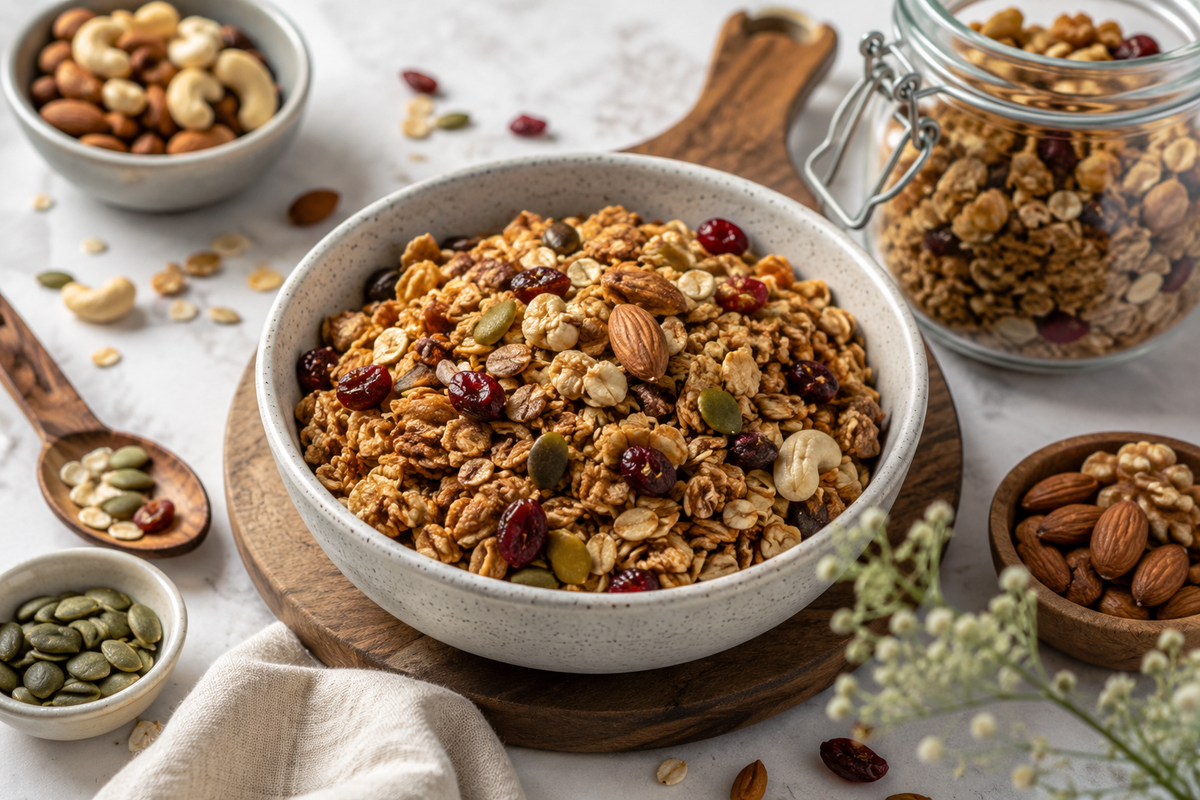
Today, these ingredients have also found a completely new identity. Almonds are added to smoothies and overnight oats. Cashews are turned into creamy sauces and plant-based alternatives. Raisins are eaten directly as a quick snack or added to breakfast bowls.
But how did these humble-looking ingredients become such an important part of Indian food culture?
Their story is not simply about nutrition. It is also a story of trade, tradition, celebrations, changing lifestyles and the way Indian households store and use food.
How Did Dry Fruits Become Part of Indian Food Culture?
Almonds, cashews and raisins are not indigenous to the Indian subcontinent in the same way as many traditional Indian grains, pulses and spices.
Their presence in India is closely connected with centuries of trade, travel and cultural exchange.
Over generations, dry fruits became integrated into Indian cooking, particularly in royal and regional cuisines. Their concentrated flavour, long shelf life and versatility made them valuable ingredients.
Dried fruits also offered an important practical advantage.
Unlike many fresh fruits, they could be stored for relatively long periods when kept properly. This made them useful ingredients for households and kitchens where seasonal availability mattered.
Eventually, what may once have been considered an expensive or special ingredient became an everyday pantry item for millions of Indian families.
Almonds: From Traditional Milk Preparations to Everyday Snacks
Almonds have had a particularly strong presence in Indian food traditions.
They are commonly associated with preparations such as badam milk, halwa, kheer and various sweets. Almonds are also frequently included in festive dry-fruit gift boxes.
In many Indian households, soaking almonds overnight and eating them in the morning became a familiar routine.
Today, however, almond consumption has expanded well beyond traditional recipes.
You can find almonds in:
- Granola
- Trail mixes
- Protein bars
- Smoothies
- Oatmeal
- Salads
- Homemade energy balls
- Desserts
- Nut butters
The modern consumer increasingly sees almonds not just as an ingredient for special occasions but as a convenient snack.
Almonds and Modern Indian Lifestyles
As working schedules become busier, convenient foods have become increasingly important.
A small handful of almonds requires no cooking, preparation or refrigeration. That makes them easy to carry to the office, college, gym or while travelling.
Why do traditional foods remain relevant?
Traditional ingredients can adapt to modern lifestyles without losing their cultural identity. Almonds are a perfect example: an ingredient once associated heavily with traditional preparations is now equally comfortable in smoothies, granola and everyday snack boxes.
Cashews: From Festive Ingredient to Global Indian Favourite
Cashews have perhaps one of the most interesting stories among popular Indian dry fruits.
Although the cashew tree originated in Brazil, the crop was introduced to India centuries ago. Over time, cashews became deeply embedded in Indian agriculture, food and cuisine.
Today, India is closely associated with cashew production and processing, particularly in regions such as Kerala, Maharashtra, Karnataka, Goa and parts of Andhra Pradesh and Odisha.
Cashews became particularly popular in Indian sweets and rich dishes.
Think about:
- Kaju katli
- Kaju curry
- Shahi gravies
- Pulao
- Biryani
- Halwa
- Indian sweets
- Festive snacks
Cashews bring a naturally creamy texture and rich taste to recipes.
And modern cooking has expanded their role even further.
Cashews are now used to create creamy sauces, vegan alternatives, nut-based spreads and contemporary desserts.
Why Cashews Work So Well in Indian Cooking
Texture
Cashews can provide crunch when roasted or a creamy consistency when blended.
Flavour
Their relatively mild, buttery taste works in both sweet and savoury recipes.
This explains why the same ingredient can appear in a festive sweet one day and a restaurant-style curry the next.
Raisins: The Sweet Ingredient That Doesn't Need a Dessert
Raisins may look simple compared with almonds and cashews, but their role in Indian cuisine is enormous.
They are essentially dried grapes, and the drying process gives them a concentrated sweetness.
In Indian kitchens, raisins are frequently added to dishes such as:
- Pulao
- Biryani
- Kheer
- Halwa
- Sheera
- Cakes
- Breads
- Chutneys
- Traditional sweets
They are also eaten directly as a snack.
One interesting characteristic of raisins is their ability to work in both sweet and savoury dishes.
A handful of raisins can add sweetness and contrast to a dish without requiring additional sugar.
Why Are Almonds, Cashews and Raisins So Popular in Indian Festivals?
Indian festivals have always been strongly connected with food.
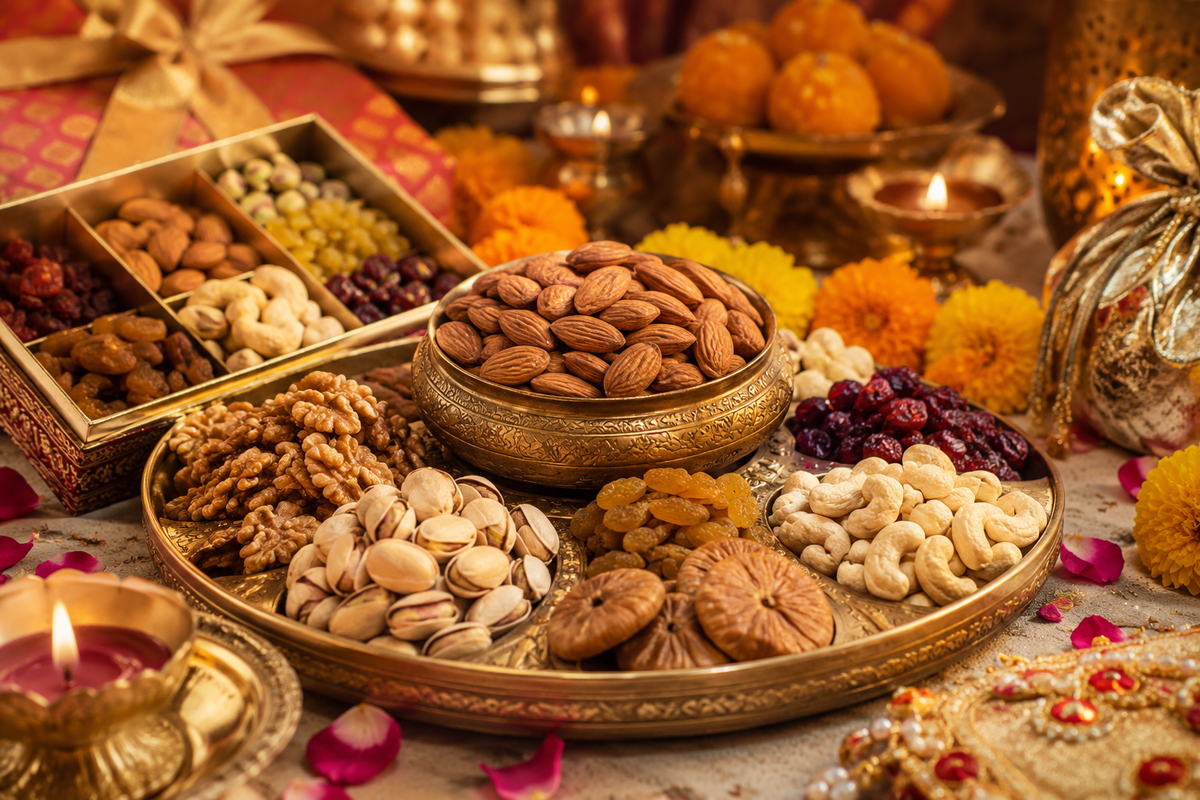
Dry fruits fit naturally into this culture because they are easy to gift, serve and incorporate into festive dishes.
During festivals and weddings, dry fruits often appear in:
- Gift hampers
- Decorative boxes
- Mithai
- Desserts
- Rice dishes
- Welcome platters
- Traditional recipes
A dry-fruit box also communicates something beyond food: hospitality and generosity.
This cultural association has helped almonds, cashews and raisins maintain their importance even as Indian food habits have changed.
From Dry Fruit Boxes to Modern Snack Packs
There was a time when buying dry fruits was strongly associated with festivals, weddings or special occasions.
Today, things are different.
Walk into a supermarket and you'll find almonds, cashews and raisins sold in multiple formats:
- Small snack packs
- Roasted nuts
- Salted nuts
- Flavoured nuts
- Trail mixes
- Premium gift boxes
- Organic options
- Online bulk packs
The rise of e-commerce has also changed how consumers purchase dry fruits.
Instead of buying only small quantities from a local shop, households can now order larger quantities online.
But this convenience creates another challenge:
Where do you store everything?
Stock Up on Everyday Dry Fruits
From almonds and cashews to raisins and other everyday favourites, build a convenient dry-fruit collection for your home, breakfast bowls and everyday snacks.
Explore NutslaneThe Modern Dry-Fruit Storage Problem
Buying dry fruits in bulk can be economical and convenient, but poor storage can affect their quality.
Nuts and dried fruits should generally be protected from moisture, excessive heat, air and direct sunlight.
A common mistake is to open a large packet and leave it in its original packaging for weeks or months.
A better approach is to transfer frequently used dry fruits into clean, airtight containers and keep them in a cool, dry place.
For longer storage, refrigeration may be useful depending on the product, packaging and household conditions.
Remember: Buying quality dry fruits is only half the job. Storing them properly matters too.
When the Pantry Isn't Big Enough
Modern Indian homes are also changing.
Apartments are becoming more compact, kitchens are increasingly designed around efficiency, and households often have more products than their available storage space can comfortably accommodate.
This becomes particularly noticeable during:
- Festive shopping
- Wedding preparations
- Bulk grocery purchases
- Relocation
- Home renovations
- Seasonal shopping
Instead of allowing extra household supplies to occupy every corner of the home, families can consider organised storage solutions for items that are not needed every day.
For example, bulk-purchased household supplies, seasonal kitchenware, extra appliances and other infrequently used items can be organised separately rather than crowding everyday living spaces.
This is where the idea of smart storage becomes relevant—not just for furniture and household goods, but for managing the overall space inside a modern home.
Are Almonds, Cashews and Raisins Healthy?
Almonds, cashews and raisins can all be part of a balanced diet.
Almonds and cashews provide fats, protein and other nutrients, while raisins provide naturally concentrated carbohydrates and dietary fibre.
However, "healthy" doesn't mean unlimited.
Dry fruits and nuts can be energy-dense, and many commercially sold products may contain added salt, sugar, oil or flavouring.
For everyday snacking, choosing relatively simple products and paying attention to portion sizes can be a practical approach.
If you have a specific health condition, food allergy or dietary requirement, it's best to consult a qualified healthcare professional or registered dietitian.
How Indian Snacking Has Changed
Indian snacking has traditionally included foods such as roasted chana, makhana, namkeen, fruits and homemade snacks.
Dry fruits have increasingly become part of this ecosystem.
The reason is convenience.
A person working from home can keep a jar of almonds beside their desk. A traveller can carry a small pack of cashews. A student can add raisins to a breakfast bowl.
Food should be convenient, enjoyable and easy to keep available.
From Grandmother's Kitchen to the Modern Pantry
Perhaps the most interesting thing about almonds, cashews and raisins is how little their basic identity has changed.
Our grandparents may have used almonds in traditional milk preparations, cashews in sweets and raisins in pulao.
Today's generation might use the same ingredients in:
- Overnight oats
- Granola
- Smoothie bowls
- Energy balls
- Homemade trail mix
- Protein snacks
- Contemporary desserts
The recipes have changed.
The packaging has changed.
The way we buy them has changed.
But the ingredients have remained.
That is what makes food traditions so powerful: they evolve without necessarily disappearing.
How to Store Dry Fruits at Home
If almonds, cashews and raisins are regular parts of your household pantry, follow a few simple practices:
-
Use Airtight Containers
Keep dry fruits in clean, dry, airtight containers to reduce exposure to air and moisture. -
Keep Different Dry Fruits Separate
Different products can have different textures and moisture levels. Separate containers make it easier to monitor each item. -
Avoid Direct Sunlight
Store containers away from direct sunlight and excessive heat. -
Don't Mix Old and New Stock
Finish older stock before opening a fresh packet where possible. -
Check Before Eating
If you notice unusual smell, visible mould, significant moisture or other signs of spoilage, don't consume the product. -
Label Bulk Purchases
If you buy larger quantities, adding the purchase or opening date to the container can make stock rotation easier.
Need More Space at Home?
Bulk purchases, seasonal items, extra household supplies and rarely used belongings can quickly take over valuable home space. Organised storage can help you keep everyday areas cleaner and easier to manage.
Explore Storage SolutionsFrequently Asked Questions
Are almonds, cashews and raisins traditionally used in Indian cuisine?
Yes. All three have become well-established ingredients in Indian cooking, particularly in sweets, rice dishes, desserts and festive foods.
Are cashews originally from India?
No. The cashew tree originated in Brazil and was later introduced to other parts of the world, including India. Cashews subsequently became an important part of Indian agriculture and cuisine.
Why are dry fruits used in Indian festivals?
Dry fruits are convenient to serve and gift and have long been associated with richness, hospitality and festive cooking.
Can almonds and cashews be eaten as everyday snacks?
Yes, they can be included in everyday diets, although portion size matters because nuts are relatively energy-dense.
How should dry fruits be stored at home?
Keep them in clean, airtight containers away from heat, moisture and direct sunlight. For longer storage, refrigeration may be appropriate depending on the specific product and packaging.
Why are raisins used in savoury Indian dishes?
Their natural sweetness provides contrast to salty, spicy and savoury flavours, which is why they are often added to rice dishes and certain traditional preparations.
The Story Continues
The journey of almonds, cashews and raisins in India is ultimately a story about adaptation.
They travelled across regions and cultures, entered Indian kitchens, became part of festivals and traditional recipes, and eventually found a place in modern breakfast bowls and office snack boxes.
Today, we may buy them online, store them in airtight containers and add them to homemade granola—but the basic relationship remains the same.
From a festive bowl of dry fruits to a handful eaten between meetings, these ingredients have successfully moved from traditional kitchens to modern snacking.
And as Indian homes, lifestyles and food habits continue to evolve, the way we store, organise and consume these everyday ingredients will evolve with them.
Good food traditions don't disappear. They adapt to the way we live.
Make Everyday Snacking More Convenient
Keep almonds, cashews, raisins, seeds and other dry fruits ready for your everyday meals and snacks.
Discover quality dry fruits and everyday pantry favourites from Nutslane.
Shop Dry Fruits