


Brazil Nuts vs Almonds: Nutrition, Taste and Price Compared
When comparing Brazil nuts and almonds, your choice depends on nutrition, taste, or price. Both offer unique health benefits, flavour profiles, and market prices.
Key Takeaways
- Brazil nuts are high in selenium, supporting immune function.
- Almonds are rich in vitamin E, promoting skin health.
- Brazil nuts have a creamy texture, while almonds are more crunchy.
- Almonds are generally more affordable and widely available in India.
- Consider potential allergies and moderate your portion sizes.
Quick Comparison: Brazil Nuts vs Almonds
The primary differences between Brazil nuts and almonds lie in their nutritional content and flavour profiles. Brazil nuts are known for their high selenium content, vital for thyroid function and antioxidant protection. In contrast, almonds are valued for their vitamin E, supporting skin health and acting as an antioxidant.
In terms of taste, Brazil nuts have a rich, creamy texture, while almonds are crunchier with a slightly sweet taste. Price-wise, almonds are generally more affordable and easier to find in India than the exotic Brazil nuts.
Nutritional Benefits of Brazil Nuts
Selenium Content
Brazil nuts are exceptionally high in selenium, with just one nut potentially providing up to 90% of the daily recommended intake. Selenium is critical for immune function and thyroid health. However, consuming too many Brazil nuts can lead to selenium toxicity, so moderation is key.
Other Nutrients
Besides selenium, Brazil nuts offer healthy fats, protein, and small amounts of calcium, magnesium, and zinc. These nutrients contribute to overall well-being by supporting bone health and metabolic functions. They also contain fibre, which aids in digestion and promotes a feeling of fullness, making them a good snack option when consumed in moderation.
Nutritional Benefits of Almonds
Vitamin E Content
Almonds are rich in vitamin E, providing about 7.3 mg per 28 g serving, according to USDA data. Vitamin E acts as a powerful antioxidant, helping to protect your cells from oxidative damage and supporting skin health. Regular consumption of almonds may also help in maintaining a healthy immune system due to this antioxidant property.
Other Nutrients
Almonds also contain healthy fats, protein, and essential minerals like magnesium and calcium. These nutrients are beneficial for heart health, bone strength, and maintaining muscle function. Almonds are a good source of dietary fibre, which can help in regulating blood sugar levels and improving digestive health.
Snack smarter with Nutslane
Premium nuts, dry fruits and seeds, freshly packed and delivered across India.
Taste and Culinary Uses
Flavor Profiles
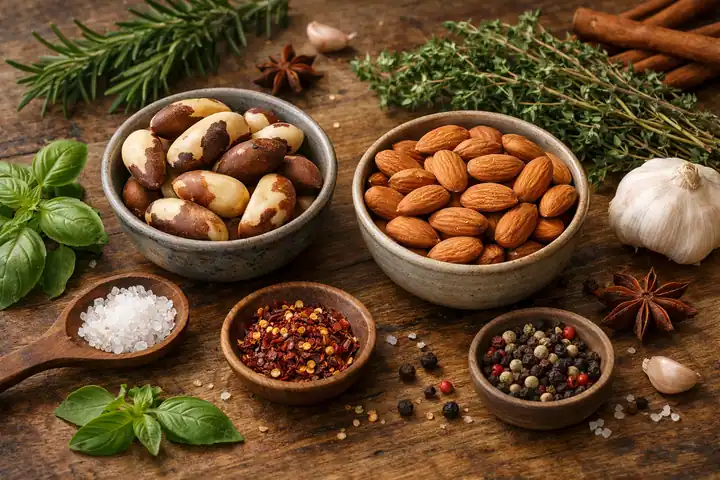
Brazil nuts have a unique creamy and buttery flavor, making them ideal for both sweet and savory dishes. Almonds, on the other hand, have a mild, slightly sweet taste with a satisfying crunch, popular in various culinary applications. Their versatility makes almonds a preferred choice for adding texture and flavor to a wide range of dishes.
Common Recipes
Brazil nuts are often used in trail mixes or as a topping for desserts. Almonds are versatile and can be used in sweets like badam halwa, as well as in savory dishes like pulao. Almond flour, made from ground almonds, is a popular gluten-free alternative used in baking. For more ideas, explore our Mini Snack Packs for quick and healthy options.
Price Comparison and Availability
In the Indian market, almonds are more readily available and tend to be less expensive than Brazil nuts. Almonds are a staple in many Indian households, used in traditional dishes and snacks. Brazil nuts are considered a premium item due to their limited availability, contributing to their higher cost. The price of nuts can also fluctuate based on factors like seasonal availability and import costs, so it's advisable to check current prices before purchasing.
Potential Allergies and Sensible Portion Sizes
Both Brazil nuts and almonds can cause allergic reactions in some individuals. It's crucial to be aware of any nut allergies you or your family may have. As a general guideline, limit your consumption to a small handful per day to avoid excessive calorie intake and potential selenium toxicity from Brazil nuts. For those with nut allergies, it's essential to read product labels and consult with a healthcare professional to ensure safety.
Making the Right Choice for Your Diet
When choosing between Brazil nuts and almonds, consider your nutritional needs and taste preferences. If your goal is to boost selenium intake, Brazil nuts are an excellent choice. However, if you're looking for a more affordable option that's rich in vitamin E, almonds may be more suitable. Always tailor your choice to your personal health goals and dietary requirements. Consulting with a dietitian can provide personalized advice, particularly if you have specific dietary restrictions or health concerns.
Frequently Asked Questions
Are Brazil nuts better than almonds for selenium?
Yes, Brazil nuts are significantly higher in selenium compared to almonds. Just one Brazil nut can meet most of your daily selenium needs, but consume them in moderation.
Can I eat Brazil nuts and almonds together?
Yes, you can consume both nuts together to benefit from their unique nutritional profiles. However, be mindful of portion sizes to avoid excessive calorie intake.
How many Brazil nuts should I eat daily?
Typically, one to two Brazil nuts per day are sufficient to meet your selenium requirements. Consuming more can lead to selenium toxicity.
Do almonds have more protein than Brazil nuts?
Yes, almonds contain more protein than Brazil nuts. A 28 g serving of almonds provides about 6 g of protein, while the same amount of Brazil nuts offers around 4 g.
What is the price difference between Brazil nuts and almonds in India?
Almonds are generally more affordable and widely available in India compared to the more expensive and less common Brazil nuts.
Which nut is better for weight loss: Brazil nuts or almonds?
Both nuts can be part of a weight-loss diet when eaten in moderation. Almonds may be more beneficial due to their higher protein content and lower calorie density.
How do Brazil nuts and almonds affect cholesterol levels?
Both nuts can support heart health by improving cholesterol levels. They contain healthy fats that may help lower LDL cholesterol.
Are there any side effects of eating too many Brazil nuts?
Yes, consuming too many Brazil nuts can lead to selenium toxicity, causing symptoms like nausea and hair loss. Limit your intake to a few nuts per day.
Can Brazil nuts replace almonds in recipes?
While Brazil nuts can substitute almonds for a creamy texture, they have a distinct flavour that may alter the dish's taste. Consider the flavour profile before substituting.
What are the allergy risks associated with Brazil nuts and almonds?
Both nuts can cause allergic reactions, which can range from mild to severe. It's important to confirm any nut allergies before consumption.
Do Brazil nuts and almonds have the same shelf life?
No, almonds generally have a longer shelf life when stored properly. Brazil nuts are more prone to becoming rancid due to their higher fat content.
Which nut is more commonly used in Indian cuisine?
Almonds are more commonly used in Indian cuisine due to their versatility and availability. They are a popular ingredient in sweets and snacks.
Choosing between Brazil nuts and almonds will depend on your health goals and taste preferences. Whether you're snacking or planning gifts, Nutslane offers a variety of premium nuts and dry fruits to suit your needs. Explore our products for healthy snacking options.
Gifting for a festival or your team?
Premium dry fruit gift boxes and bulk orders for every occasion.
This article is for general information only and is not medical advice; please consult a doctor or dietitian for your specific health needs or allergies.